CupSticks Journal

Tea Strainer Versus Tea Ball – Which Is Better?

A tea ball can feel like the classic answer to loose-leaf tea: fill it, close it, steep it. But the tea strainer versus tea ball choice affects more than appearance. It changes how freely leaves can open, how much sediment reaches the cup, how much cleanup waits at the sink, and whether making real tea fits into a busy morning.

For a relaxed pot of tea at home, either tool can work well. For a single cup between meetings, on a hotel desk, or at the office, the practical differences become much clearer. The better choice depends on the tea, the vessel, and how much effort you want between hot water and a clean, flavorful cup.

Tea Strainer Versus Tea Ball: The Core Difference

A tea strainer is a mesh filter that keeps leaves separate from the brewed tea. It may rest across the top of a mug, sit inside a basket-style infuser, or be held over a cup while tea is poured from a pot. Its main advantage is space. Many strainers offer a wide chamber where leaves can circulate and expand as water moves through them.

A tea ball is a small, perforated metal sphere that clips or twists shut around loose tea. It is compact, familiar, and easy to store in a drawer. Its limitation is equally simple: a round ball often gives full leaves very little room to unfurl.

That difference matters because tea is not meant to stay tightly packed. Whole leaves, rolled oolongs, herbal pieces, and flowering teas need water moving around them to release their natural color, aroma, and character. When leaves are compressed, the cup can taste lighter than intended or uneven from one steep to the next.

Flavor Starts With Leaf Expansion

A roomy basket strainer generally delivers the most consistent loose-leaf result. Water reaches more surface area, leaves open naturally, and you can use the right amount of tea without forcing it into a small chamber. This is especially helpful for larger leaf black teas, green teas, white teas, oolongs, and blends with dried fruit or botanicals.

Tea balls can still make a satisfying cup when used with smaller, broken-leaf teas. They are also useful when space is limited and the tea is forgiving. The trade-off is that fine particles may escape through larger holes, while tightly packed leaves may not fully infuse. Filling a tea ball only halfway can help, but it also means using a larger ball than many people keep on hand.

The size of the mesh matters with a strainer, too. A very open mesh lets water flow easily but can allow fine rooibos, powdered herbal blends, or tiny tea fragments into the cup. A finer mesh captures more particles, though it may slow drainage and require more careful rinsing. Neither detail is a flaw. It is simply a match between the filter and the tea you drink most.

Cleanup Is Where the Routine Changes

A tea ball creates a small cleanup task every time. Once steeping is finished, it needs somewhere to drip. Then the damp leaves must be emptied, often by tapping, rinsing, or picking them from the hinge and seams. If you leave it on a spoon or saucer, the counter can quickly collect tea-colored water.

A mug-top strainer or basket infuser is usually easier to empty because the leaves are more accessible. Yet it still requires a rest, a rinse, and storage after brewing. If you drink several cups throughout the day, those small steps become part of the ritual – or part of the clutter.

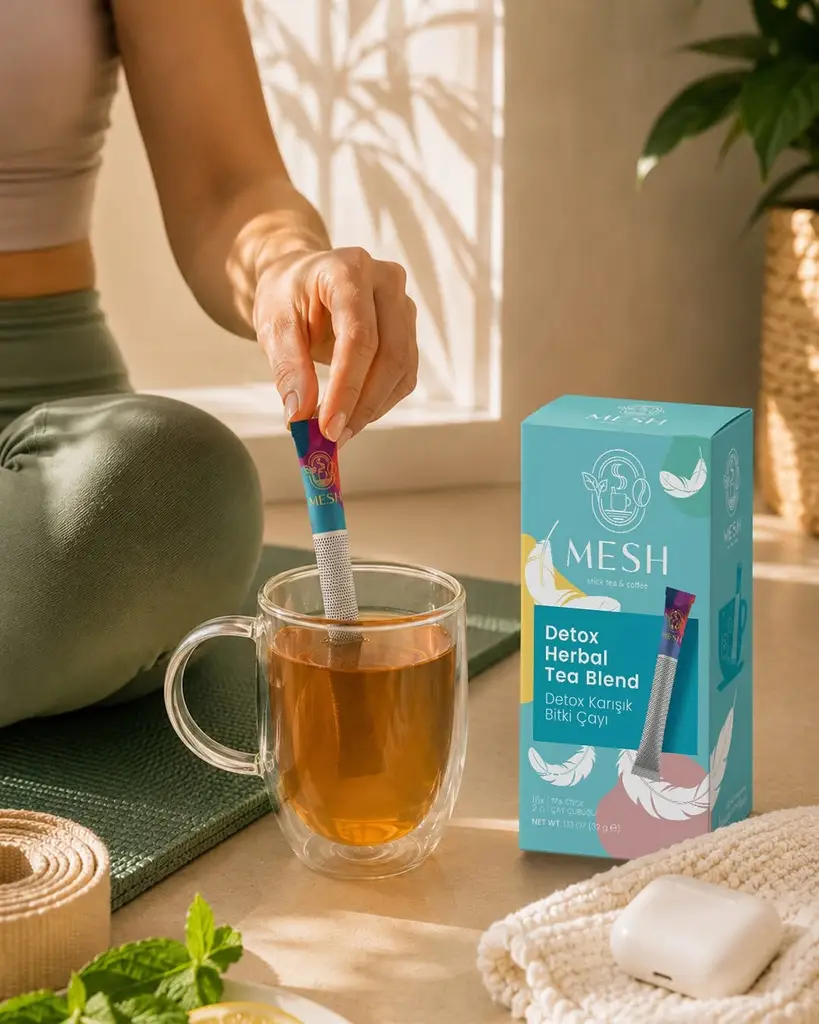
This is where an integrated brewing format has a distinct advantage. Cup Sticks pair real tea leaves with a precision-engineered mesh stick that brews directly in the cup and also stirs the infusion. Place the stick in hot water, swirl gently, steep, and remove it when the flavor is right. There is no separate strainer, tea ball, spoon, or pile of wet leaves to manage afterward.

For people who love loose-leaf quality but not loose-leaf cleanup, that is a meaningful shift. The experience stays tactile and visible, while the routine becomes clean, compact, and easy to repeat.

Portability: A Tea Ball Is Small, but Not Always Simple

Tea balls travel better than a large ceramic infuser, but they are not fully self-contained. You still need loose tea in a tin, pouch, or separate container. You need a clean place to fill the ball, a way to carry it after use, and ideally somewhere to rinse it. At work or while traveling, those details can be enough to make a tea bag feel more convenient, even when the flavor is less satisfying.

A strainer is even more dependent on the setting. It is excellent beside a teapot or kitchen sink, but less appealing in a shared office kitchen, airport lounge, or guest room. Fine tea leaves can become messy fast when there is no easy way to compost or discard them.

Single-serve mesh brewing removes that extra equipment. The tea arrives measured, contained, and ready for a cup of hot water. It is a more refined option for commuters, frequent travelers, hospitality spaces, and workplaces that want real ingredients without loose leaves scattered across the counter.

Materials Matter as Much as Mechanics

Metal tea balls and strainers are reusable, which is a genuine benefit when they are cared for over time. Look for food-safe materials, a secure closure, and a design without rough edges that can trap residue. A stainless steel basket with a stable rim can last for years and makes sense for a daily home tea setup.

Still, reusability does not automatically mean the cleanest experience. A reusable tool that sits wet, retains old flavors, or is difficult to wash can take away from the freshness of the next cup. Herbal blends, spiced chai, and strongly scented teas deserve special attention because their aromas can linger in hinges, seams, and fine mesh.

Material awareness also explains why many tea drinkers are reconsidering conventional paper bags. Some contain adhesives, bleached paper, plastic-based sealing fibers, or packaging materials that feel at odds with a simple cup of tea. A thoughtfully designed mesh format offers a different path: real leaves in a high-heat-safe, BPA-free brewing tool without the extra clutter of a separate accessory.

When a Tea Strainer Makes the Most Sense

Choose a tea strainer when brewing is part of your at-home ritual and you want maximum control. A larger basket is the strongest choice for high-quality whole-leaf tea, multiple servings, and repeat infusions. It gives leaves room, makes it easy to adjust the dose, and lets you watch the tea develop in a pot or mug.

A strainer also works well when you enjoy blending your own ingredients. Add peppermint, chamomile, ginger pieces, or loose black tea in the proportions you prefer. The process is hands-on, and for many tea drinkers, that is the point.

The trade-off is that you need a place for the tool before and after steeping. If your kitchen routine has room for rinsing and drying, that may be no issue at all.

When a Tea Ball Is Enough

Choose a tea ball when you already have one, drink simple small-leaf teas, and want a compact reusable tool. It is inexpensive, familiar, and perfectly serviceable for an occasional cup. A larger ball will perform better than a tightly filled small one, particularly with leaves that expand.

Avoid relying on a tea ball for delicate whole-leaf teas, bulky herbal blends, or very fine particles. In those cases, flavor and clarity can suffer. The ball is convenient, but it is not automatically the best brewing environment for every tea.

The Better Choice Depends on the Cup You Want

If flavor control and leaf expansion are your priorities, a spacious tea strainer wins. If you need a small reusable tool for a straightforward cup, a tea ball can do the job. If your priority is a clean, vibrant cup made with real tea and no loose-leaf accessories to fill, rinse, carry, and store, an integrated mesh stick is built for the moment.

The best brewing tool is the one that makes you reach for real tea more often. Keep the ritual you enjoy, remove the steps you do not, and let the leaves do what they were meant to do: open fully in hot water and bring a little more character to your cup.

CupSticks Journal

Mess Free Tea Brewing Without Counter Clutter

Mess Free Tea Brewing Without Counter Clutter

A damp tea bag on a saucer, loose leaves scattered by the sink, a spoon waiting to be washed – small details can make a simple cup feel like a chore. Mess free tea brewing changes that equation. It keeps the ritual centered on what matters: real tea leaves, natural color and aroma, and a clean cup that is ready when you are.

For people moving between home, work, travel, and busy mornings, a better brew should not require a drawer full of tools. It should make space for a moment of calm without leaving clutter behind. The right format can deliver the full character of loose-leaf tea while removing the drips, debris, and disposable extras that tend to follow traditional brewing.

Why Traditional Tea Brewing Gets Messy

Tea is naturally simple: leaves meet hot water, flavor unfolds, and the cup is ready. The mess usually comes from everything wrapped around that process. A conventional tea bag often needs a string, tag, spoon rest, and somewhere to discard it after steeping. If it is squeezed or carried across the kitchen, it can drip tea onto the counter or table.

Loose-leaf tea offers beautiful flavor, but it asks more of the drinker. Measure the leaves, fill the infuser, find a lid or strainer, empty wet leaves, and rinse the equipment. That may be a welcome ceremony on a slow weekend. It is less appealing during a packed workday or when the only available sink is across the office.

There is also a materials question. Many single-serve tea formats rely on paper, adhesives, bleaching processes, or plastic-based fibers. Convenience should not mean accepting packaging that feels opaque or leaves you wondering what has been steeping alongside your tea.

A clean brewing method reduces the accessories and the uncertainty. It gives the leaves room to infuse while keeping them contained, then leaves you with a cup instead of a cleanup project.

What Mess Free Tea Brewing Should Deliver

A genuinely cleaner tea experience is not just about avoiding a few drops. It should improve the entire path from packet to final sip. That means the brewing format needs to be easy to carry, easy to use in a standard mug, and easy to remove without fishing leaves out of the cup.

It should also protect flavor. Tea needs water flow to release its natural color, aroma, and character. When leaves are packed too tightly or hidden inside an overly restrictive bag, the result can taste thin or muted. A better design gives water access to the tea while making the brewing process feel controlled and composed.

The ideal format has a short, clear sequence: place it in hot water, allow the tea to infuse, swirl if desired, steep to taste, and enjoy. No measuring spoon. No separate infuser. No strainer balanced over the sink. No wet tea bag left on a napkin.

That simplicity matters at home, but it matters even more in shared spaces. In an office kitchen, hotel room, waiting area, or small café service station, fewer moving parts mean fewer spills, fewer questions, and a more hygienic experience for everyone.

How a Mesh Stick Keeps the Cup Clean

A Mesh Stick combines the job of an infuser and a stirrer in one compact format. Real tea leaves sit inside a precision-engineered mesh stick, which is placed directly into hot water. The mesh allows water to circulate around the leaves while helping keep the leaves where they belong.

As the tea steeps, the stick can be gently swirled to encourage infusion. This is not stirring for the sake of it. A light swirl moves fresh water across the leaves, helping flavor develop evenly and giving the cup a clean, vibrant appearance. Once the tea reaches your preferred strength, remove the stick and discard it. The cup stays clear, and the counter stays clear too.

Cup Sticks is designed around this small but meaningful upgrade. Its BPA-free, high-heat-safe mesh format avoids bleached paper, adhesives, and the clutter of conventional tea tools. The experience still feels tactile and real because you are brewing actual leaves, not dissolving an artificial shortcut into water.

The difference is especially noticeable when you are not in your own kitchen. A Mesh Stick can travel in a bag, fit neatly in a desk drawer, and make a fresh cup with only hot water and a mug. There is no loose tea to measure and no equipment to rinse before your next meeting.

The right steep still depends on the tea

A cleaner format does not erase the basics of brewing. Delicate green and white teas generally prefer cooler water and a shorter steep, while black tea and herbal blends can handle hotter water and more time. If the tea tastes bitter, reduce the temperature or steep time before assuming you need fewer leaves.

Swirling is optional, but useful when you want a little more body without oversteeping. Start gently. The goal is even extraction, not agitation that turns a pleasant cup harsh. Taste is personal, and the best routine is the one that gives you the flavor you want with no extra fuss.

A Cleaner Routine at Home, Work, or on the Road

At home, mess-free brewing restores the ease of making tea between everything else. You can make a cup while breakfast is on the stove or while answering the first email of the day, then move on without returning to rinse a metal basket or empty soggy leaves.

At work, the value is even more direct. A desk-friendly tea format reduces the need to borrow utensils, search for a clean spoon, or leave used bags around a shared sink. It also gives tea drinkers a more polished alternative to pod systems, which can create a different kind of single-serve waste and often remove the visual pleasure of watching tea infuse.

For travel, the trade-off is simple: you may not have access to your favorite teapot or exact water temperature, but you can still make a satisfying cup with far less compromise. Packaged tea and a hotel mug are enough. That is a better match for real life than carrying a collapsible infuser, loose leaves, and a separate container for wet cleanup.

Businesses can benefit from the same logic. Cafés, hospitality teams, and workplace refreshment programs need beverage options that are easy to stock, intuitive for guests, and clean to manage. A compact stick format takes up little space and presents tea as a considered offering rather than an afterthought beside the coffee machine.

Small Habits That Keep Tea Even Cleaner

Use a mug with enough room for the stick to move freely. Fill it with hot water first, then add the tea, which helps prevent splashing. Let the stick rest in the cup as it steeps rather than pressing it against the rim.

When the tea is ready, lift the stick slowly and give it a brief pause above the mug so the last drops fall back into the cup. There is no need to squeeze it. Squeezing can release excess tannins and create the very drips you were trying to avoid.

If you add honey, lemon, or milk, use the stick for a quick stir before removing it. That small detail replaces one more utensil and keeps the routine focused. Fresh tea should feel like a pause, not a series of small tasks.

Real Tea, Less Evidence of It

The best convenience products do not make the experience feel less human. They remove the friction that distracts from it. With a well-designed mesh brewing format, you can still see tea infuse, notice its aroma, and adjust the steep to your taste. You simply do not have to manage the wet bag, loose leaves, spoon, strainer, and cleanup afterward.

That is the quiet appeal of a cleaner cup. It respects the ingredients, fits the pace of a modern day, and leaves the table looking exactly as it did before you brewed. Make the tea break feel intentional, then let the evidence disappear with the stick.

CupSticks Journal

How an Office Tea Program Improves the Workday

How an Office Tea Program Improves the Workday

A good office tea program is not a box of forgotten tea bags beside a coffee machine. It is a small daily ritual that gives people a clean pause, a real choice, and a cup they look forward to drinking. When tea is easy to prepare, tastes fresh, and does not leave a wet bag or pile of accessories behind, the breakroom becomes more useful to everyone.

For workplaces that care about employee experience, hospitality, and the details that shape a day, tea deserves the same attention often given to coffee. The right program does not need a complicated station or a cabinet full of products. It needs quality ingredients, intuitive preparation, and a format that keeps the counter clear.

What an Office Tea Program Should Deliver

Tea is personal. One person reaches for a bright green tea after a meeting. Another wants a full-bodied black tea in the morning, while someone else prefers a caffeine-free herbal cup in the afternoon. A workplace program should offer enough range to make tea feel considered without turning inventory into a guessing game.

The best programs also remove friction. Traditional tea bags can drip onto desks, leave strings and tags around the sink, and create an unpleasant cleanup task in a shared space. Loose-leaf tea brings real flavor but can require strainers, spoons, canisters, and time that busy teams may not have. Single-serve pods may be fast, but they add machine dependence and disposable clutter.

A better option gives employees real leaves, visible infusion, natural color, aroma, and character in a format that works directly in a cup. That means less preparation, fewer shared tools, and a more consistent experience from the first cup to the last.

Build an Office Tea Program Around Real Use

Before ordering tea, look at how people actually move through the workplace. A small office where employees make drinks at their desks has different needs than a busy reception area, hotel lobby, or large headquarters with multiple breakrooms.

Start with volume. If tea is an occasional alternative to coffee, a compact assortment with a few familiar choices can be enough. If tea is part of daily office culture, stock more variety and plan for easy replenishment. It is better to offer four excellent options that stay fresh than ten varieties that sit untouched.

A balanced assortment usually includes a classic black tea, a green tea, a caffeine-free herbal option, and one distinctive flavor that gives the station personality. The exact mix depends on the team. Offices with early schedules may use more black tea. Wellness-minded teams may go through green and herbal blends quickly. Guest-facing spaces benefit from recognizable, approachable choices rather than overly niche flavors.

Placement matters, too. Tea should be visible and simple to understand. If it is hidden in a drawer behind extra mugs and cleaning supplies, people will skip it. Keep the offering close to hot water, cups, and any preferred additions such as honey or lemon. A tidy station signals that the ritual is worth taking.

Make Brewing Obvious

Employees should not need instructions that feel like a science project. The most reliable office tea formats are self-explanatory: add hot water, steep, and enjoy. When the process is clear, people are more likely to use it correctly and get the flavor they expected.

Cup Sticks are designed for this kind of shared setting. Place a Mesh Stick in hot water, let the tea infuse, swirl to stir, steep to taste, and remove it when finished. The stick functions as both an infuser and a stirrer, so there is no spoon, strainer, dripping bag, or loose-leaf cleanup left behind.

That simplicity has an operational benefit. A breakroom is rarely maintained after every cup. Products that create less mess help the space stay presentable between cleanings, especially in offices with limited facilities support or heavy visitor traffic.

Choose Materials With Care

An office tea program says something about what the company is willing to put in front of employees and guests. Flavor is essential, but materials deserve attention as well. Many people are increasingly selective about paper bags, adhesives, bleaching, plastic components, and the unknowns that can come with disposable single-serve formats.

Look for tea that lets the ingredients remain the focus. Real tea leaves should have room for water to flow through them, developing a cup with fuller flavor rather than a flat, dusty brew. The brewing format should be high-heat safe and made without unnecessary elements that distract from the drink itself.

This is not about making every refreshment decision complicated. It is about avoiding compromises people can see and feel: a soggy bag on the counter, a synthetic taste, packaging that feels questionable, or a drink that needs extra work to become enjoyable. Clean design supports a cleaner experience.

Keep the Station Stocked Without Overbuying

The success of an office tea program often comes down to a simple question: is the tea there when someone wants it? Empty bins and inconsistent flavors make the program feel accidental. Overstocking, on the other hand, can leave products aging in storage and turn a simple program into an inventory problem.

Set a replenishment rhythm based on actual use. For a small team, a monthly check may be enough. For a larger office or hospitality setting, designate a weekly review. Track which varieties disappear first, which linger, and whether supplies are being used for employees, visitors, or both.

A few practical details keep the system orderly:

  • Store tea away from direct sunlight, moisture, and strong odors.
  • Use clear, labeled containers or display trays so choices are easy to find.
  • Keep backup inventory nearby, but not scattered across several cabinets.
  • Review usage after the first month before expanding the assortment.

If an option is not moving, do not assume people dislike tea. It may be placed poorly, require too much effort, or simply not match the tastes of the group. Adjust the mix instead of adding more products to solve a visibility problem.

Consider the Full Breakroom Experience

Tea works best when the surrounding setup supports it. Reliable hot water is nonnegotiable. A kettle can work well for a smaller team, while a hot-water dispenser may make more sense in high-volume environments. The goal is not elaborate equipment. It is dependable access to properly hot water without a wait.

Cups also matter. If people are using thin disposable cups that cool quickly, even excellent tea can feel disappointing. Offer durable mugs where practical, or choose cups suited to hot drinks when disposables are necessary. Keep a simple waste solution nearby for used brewing components, but choose formats that do not create wet, messy piles.

Milk, non-dairy options, honey, and lemon can be thoughtful additions, but they should match demand. A black tea drinker may appreciate milk, while an herbal tea drinker may prefer nothing added at all. Start with a restrained setup, watch how people use it, and add only what earns its place on the counter.

Tea Is a Useful Hospitality Detail

For offices that welcome clients, candidates, patients, or partners, tea expands the hospitality experience. Not everyone drinks coffee, and offering only water can make a waiting area feel bare. A well-presented tea option is quiet but meaningful. It tells visitors that there is room for different preferences.

The same principle applies internally. An office tea program gives employees an alternative during afternoon meetings, a calming reset between tasks, or a warm drink that does not depend on another coffee. It is a modest benefit, but modest benefits repeated every day shape how a workplace feels.

Let the Program Stay Simple

There is no prize for creating the largest tea menu or the most elaborate beverage station. The strongest office tea program is one people can use without thinking twice. It offers real flavor, clean materials, and a preparation method that respects both time and shared space.

Set out tea that looks inviting, brews cleanly, and fits the rhythm of the office. When a better cup takes only hot water and a moment to steep, the breakroom can offer something more than a caffeine stop: a clear, satisfying pause in the middle of the day.